.png)
Dry Itchy Scalp in Fall How Weather Changes Head Spa Treatments and At Home Care Help

That first cool breeze can feel wonderful, until your scalp starts to feel tight, flaky, or itchy a few weeks later. Fall brings cozy sweaters, warmer showers, and drier air, but it can also disrupt the delicate balance of the scalp.
Dry Itchy Scalp in Fall is common during seasonal changes. The shift from humid summer weather to crisp fall air can affect moisture levels, oil production, and even how the scalp reacts to styling products. For some people, it feels like mild tightness. For others, it shows up as flakes, irritation, or constant scratching.
The good news is that fall is a great time to reset your scalp care routine. A professional head spa treatment can calm the scalp, remove buildup, and bring a sense of relaxation when the season starts to feel busy. At home, a few simple changes can help keep the scalp comfortable between appointments.
This article is informational only and does not replace medical advice. If itching, redness, sores, heavy flaking, or hair shedding lasts or gets worse, check in with a dermatologist or licensed healthcare professional.
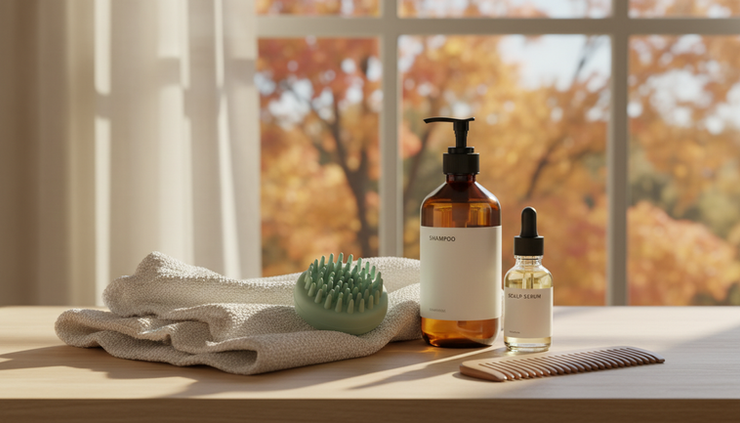
Dry Itchy Scalp in Fall: weather can throw the scalp off balance
The scalp is skin, and it reacts to seasonal change the same way the skin on the face and hands often does. When temperatures drop, moisture in the air often drops too. Indoor heating can make the air even drier. That combination can leave the scalp feeling tight, itchy, and more prone to flakes.
Several fall habits can make the problem worse.
Hotter showers
Cooler mornings make hot showers tempting. Very hot water can strip natural oils from the scalp, leaving it dry and irritated.
Indoor heat
Forced-air heating can lower indoor humidity. The scalp may lose moisture faster, especially overnight.
Heavier styling products
Fall hairstyles often involve more blow-drying, oils, creams, sprays, and hats. These can build up on the scalp and trap sweat or dead skin.
Less frequent washing
Some people wash less often once summer sweat fades. That can help dry hair, but it may also allow product residue and oil to collect on the scalp.
Cold wind
Wind can dry exposed skin, including the scalp along the hairline and part. If the skin barrier is already stressed, itching may feel worse.
Dryness is not the only possible cause of an itchy scalp. Dandruff, seborrheic dermatitis, eczema, psoriasis, allergic reactions, and product sensitivity can all cause itching or flaking. The difference matters because each concern needs different care. A gentle routine helps many people, but ongoing irritation deserves a closer look.
A simple clue can help guide your next step. If flakes look small, dry, and powdery, dryness may be part of the issue. If flakes look oily, yellowish, or cling to the scalp, dandruff or another scalp condition may be involved.
A head spa treatment gives the scalp a seasonal reset
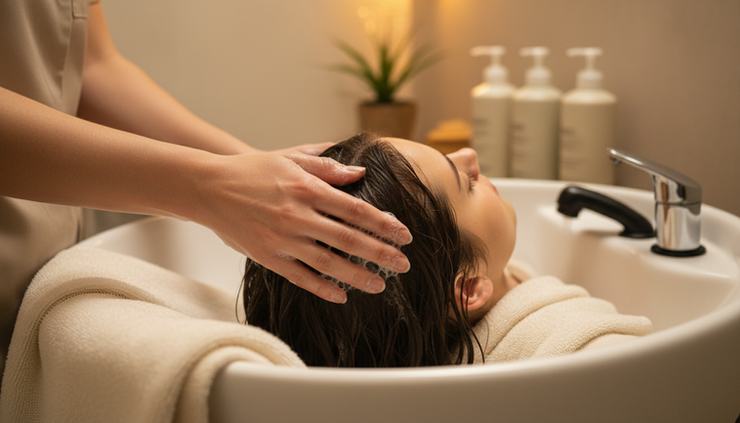
A head spa treatment is more than a relaxing wash. Done well, it focuses on scalp condition, circulation, cleansing, and comfort. During fall, that makes it especially useful.
A typical head spa service may include a scalp analysis, pre-cleansing, exfoliation, massage, steam, shampoo, conditioning, and a targeted scalp treatment. The exact steps vary by salon or spa, but the goal is similar: support a cleaner, calmer, more balanced scalp.
Here is why it can help during the fall transition.
It removes buildup without aggressive scrubbing
Product residue, sweat, dry shampoo, hard water minerals, and dead skin can sit on the scalp. When buildup collects, the scalp may feel itchy even if it is not truly “dirty.”
A head spa treatment often uses gentle exfoliation or a scalp cleanser to lift buildup. This can help the scalp feel fresher and may allow hydrating treatments to work better.
The key word is gentle. Harsh scrubs or repeated scratching can make irritation worse. A trained provider can adjust the treatment based on scalp sensitivity.
It supports moisture balance
Dry scalp needs comfort, not heavy coating. A head spa may use lightweight hydrating products, steam, or scalp-safe serums to help soften the skin. Steam can feel especially soothing in fall because it adds warmth and helps products spread evenly.
For hair that feels dry through the mid-lengths and ends, a conditioning mask can be added without overloading the scalp. This matters because the scalp and hair ends often need different care.
It turns scalp care into real rest
Season changes can bring schedule changes, shorter days, and more stress. Stress does not cause every scalp issue, but it can make itching feel more noticeable and can lead to habits like scratching or tight hairstyles.
A slow scalp massage encourages relaxation. It can release tension around the temples, neck, and crown. Many people leave a head spa session feeling lighter, not just cleaner.
A healthy seasonal routine should care for the scalp and the nervous system. Comfort, calm, and consistency all matter.
At home scalp care should be gentle and consistent
A good fall routine does not need to be complicated. In fact, the scalp often responds better to fewer products used regularly than to a crowded shelf of treatments.
Start by thinking about three steps: cleanse, hydrate, and protect.
Choose a shampoo that matches the scalp
If the scalp feels dry and tight, look for a gentle, sulfate-free or mild shampoo. It should cleanse without leaving the scalp squeaky or stripped. Ingredients such as aloe vera, glycerin, panthenol, oat extract, and hyaluronic acid can support hydration.
If flakes are oily or stubborn, a dandruff shampoo may be a better fit. Common active ingredients include zinc pyrithione, selenium sulfide, ketoconazole, or salicylic acid. Follow the label directions, since some formulas need a few minutes on the scalp before rinsing.
If the scalp burns, stings, or gets red after washing, fragrance, essential oils, or strong cleansing agents may be irritating it. A fragrance-free sensitive scalp shampoo is often a safer place to start.
Wash with warm water, not hot water
Hot water feels good in the moment, but it can leave the scalp drier afterward. Use lukewarm water for washing. Save the warm, cozy feeling for a towel wrap after the shower.
When shampooing, focus on the scalp rather than the ends of the hair. Use fingertips, not nails. Let the rinse carry shampoo through the lengths.
Use conditioner where it belongs
Conditioner helps hair feel soft, but heavy formulas on the scalp can sometimes add buildup. Apply conditioner mainly from mid-length to ends unless the product says it is scalp-safe.
For very dry hair, use a weekly hair mask on the ends. Keep richer masks away from the roots if the scalp gets itchy or oily easily.
Add a lightweight scalp serum
A leave-in scalp serum can help when the scalp feels tight after washing. Look for lightweight, non-greasy formulas with soothing or hydrating ingredients.
Good ingredient options include:
Aloe vera
Glycerin
Panthenol
Niacinamide
Hyaluronic acid
Colloidal oatmeal
Tea tree oil in low, well-formulated amounts if tolerated
Tea tree oil can bother sensitive skin when used too strongly. Avoid applying undiluted essential oils directly to the scalp.
Try a soft silicone scalp brush
A silicone scalp brush can help loosen buildup while shampooing. Use light pressure and slow circles. The goal is to massage, not scrape.
Skip the brush if the scalp has open spots, active sores, or painful inflammation.

Recommended products should support the scalp barrier
Product choice matters more in fall because the scalp barrier may already be stressed. The best products are gentle, purposeful, and easy to use consistently.
Product type | What to look for | How to use it |
Gentle shampoo | Mild cleansing, fragrance-free or low fragrance, hydrating ingredients | Use 2 to 4 times weekly based on oil, sweat, and styling habits |
Clarifying shampoo | Chelating or buildup-removing formula | Use occasionally, not daily, and follow with conditioner on the hair |
Scalp serum | Aloe, niacinamide, panthenol, glycerin, hyaluronic acid | Apply to clean scalp where tightness or dryness shows up |
Dandruff shampoo | Recognized anti-dandruff active ingredient | Use as directed if flakes are oily, persistent, or itchy |
Scalp brush | Soft silicone bristles | Use during shampoo with light pressure |
Humidifier | Cool mist or warm mist model that is easy to clean | Run in the bedroom when indoor air feels dry |
A few product habits can prevent setbacks.
Patch test new leave-on products behind the ear or along a small area of the scalp before full use. Stop using anything that causes burning, swelling, or worsening itch.
Be careful with heavy oils. Coconut oil, castor oil, and thick scalp oils may feel comforting at first, but they can trap buildup or irritate some scalps. If using oil, apply a small amount before washing rather than leaving it on for days.
Dry shampoo can help stretch a style, but it should not replace washing for too long. If the scalp feels itchy after repeated dry shampoo use, give it a proper cleanse.
Hats also matter. Wool and synthetic lined hats can rub the scalp or hairline. Wash hats regularly, especially after workouts, and choose soft linings when possible.
Build a fall scalp care routine that feels like self-care
Scalp care works best when it fits real life. Fall routines should feel supportive, not like one more chore.
Try this simple weekly rhythm.
On wash days
Brush or detangle hair gently before the shower. Shampoo the scalp with lukewarm water. Use a silicone brush only if it feels good. Condition the lengths and ends. After towel drying, apply a lightweight scalp serum to dry or tight areas.
Once a week
Use a hydrating mask on the hair lengths. If buildup is an issue, use a gentle clarifying shampoo that week, then keep the rest of the routine simple.
Once a month or seasonally
Schedule a head spa treatment for deeper cleansing, scalp massage, and relaxation. This is especially helpful when the weather first changes or when the scalp starts feeling uncomfortable.
Daily
Drink water, avoid scratching, and protect the scalp from cold wind when needed. If wearing a hat, choose one that does not feel tight or rough.
Self-care does not need to be elaborate. Ten quiet minutes with a scalp massage, a warm towel, and a calming scent can help signal the body to slow down. Shorter days often ask for softer routines.

A calmer scalp starts with small seasonal changes
A dry, itchy scalp in fall is often a sign that the season has changed faster than the routine. Cooler air, indoor heat, hotter showers, and product buildup can all affect scalp comfort.
Start with gentle cleansing, lukewarm water, lightweight hydration, and fewer irritating products. Add a head spa treatment when the scalp needs a deeper reset or when stress starts to show up as tension and scratching.
The best fall scalp care routine is steady, soothing, and realistic. Treat the scalp like skin, give it moisture and care, and make room for rest as the season changes.


Comments