.png)
Brow Lamination Guide How Long It Lasts Who Its Best For and Aftercare Tips

Brow lamination can make sparse, uneven, or downward-growing brows look fuller in under an hour, without tattooing, tinting, or daily brow gel. The treatment has become popular because the results are visible right away: lifted hairs, a smoother shape, and a brushed-up finish that stays put.
The effect is temporary, though. Brows keep growing, skin produces oil, and daily habits can shorten or extend the look. A good result depends on the service itself, the health of the brow hair, and how the brows are cared for afterward.
This guide explains how brow lamination works, how long it usually lasts, who it suits best, when to be cautious, and how to keep laminated brows looking soft rather than stiff or overprocessed.
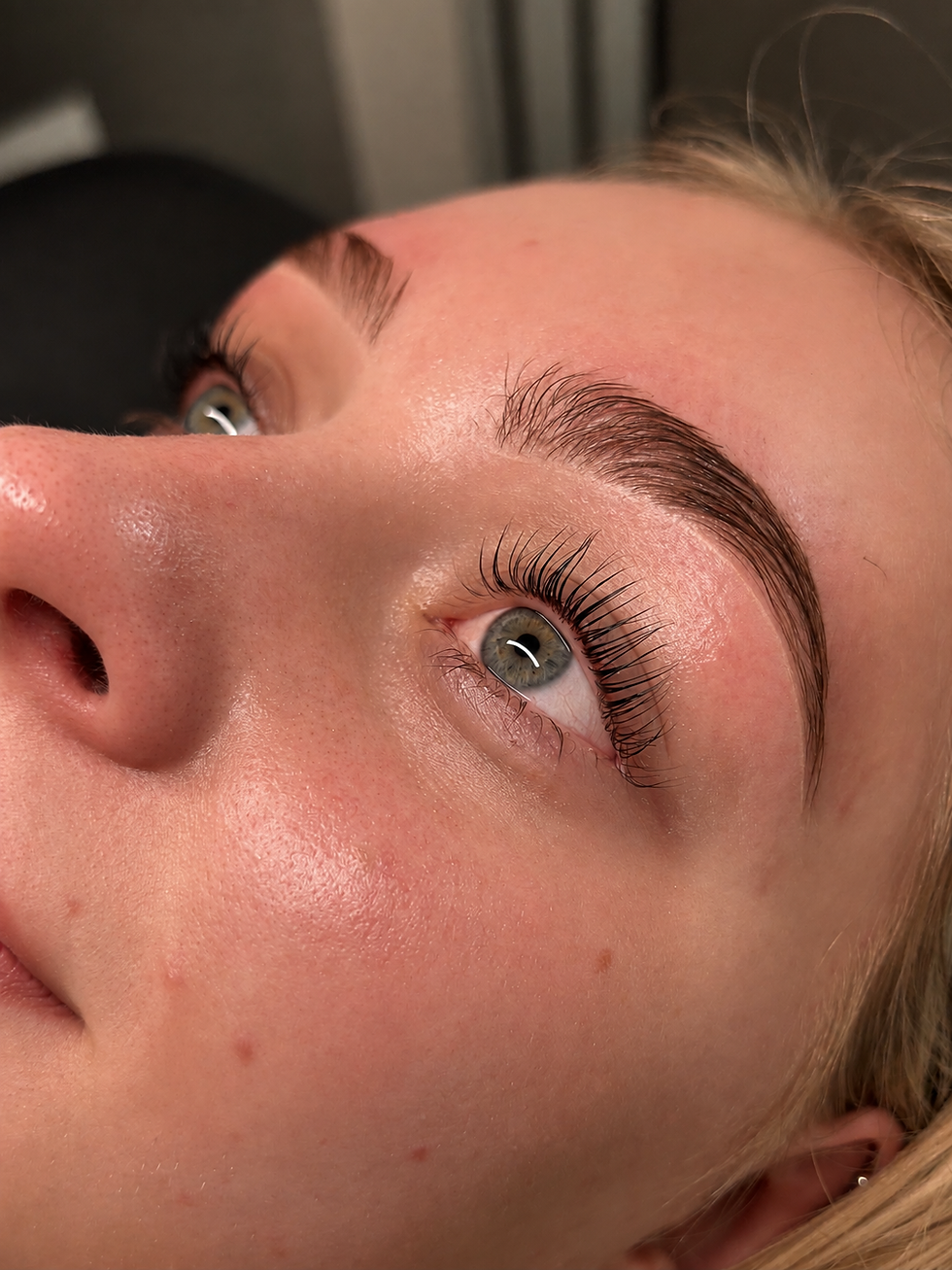
What brow lamination does to your brows
Brow lamination is a semi-permanent brow styling treatment. It uses a gentle chemical solution to relax the brow hairs so they can be redirected into a new shape. The hairs are usually brushed upward and outward, then set in place with a neutralizing solution.
Think of it as a soft reset for brow direction. It does not add hair, but it can make existing hair look more visible and organized.
A typical appointment may include:
Cleansing the brow area
Applying a lifting or relaxing solution
Brushing the hairs into the desired position
Applying a setting solution
Trimming overly long hairs if needed
Adding tint or shaping, if included in the service
Finishing with a nourishing serum or conditioner
The final look can be fluffy and bold, sleek and tidy, or somewhere in between. The best results still look like brows, just more groomed.
Brow lamination differs from microblading because it does not place pigment into the skin. It also differs from a simple brow gel because the hairs stay trained after cleansing, sleeping, and daily activity.
Brow Lamination Guide, how long brow lamination lasts
Most brow lamination results last about 4 to 6 weeks. Some people keep the look closer to 8 weeks, while others notice the lift softening after 3 to 4 weeks.
The exact timeline varies because brow hair grows in cycles. As new hairs come in, they grow in their natural direction. Older laminated hairs may shed as part of normal hair turnover. That gradual change is why the brows do not usually “fall” all at once. The lifted look simply becomes less defined over time.
A common timeline looks like this:
Time after treatment | What usually happens |
First 24 hours | Brows look fresh, lifted, and set. They need to stay dry and untouched as much as possible. |
Days 2 to 7 | The shape settles. Brows may look softer than they did immediately after the appointment. |
Weeks 2 to 4 | The laminated shape is still visible, especially with light brushing and conditioning. |
Weeks 4 to 6 | New growth and natural hair direction start to show more. |
Weeks 6 to 8 | Many people are ready for a refresh, depending on hair type and brow goals. |
It is best not to laminate too often. Repeating the service before the hair has recovered can lead to dryness, frizz, or breakage. Many brow artists recommend waiting at least 6 to 8 weeks between appointments, but the right schedule depends on the condition of the hair.
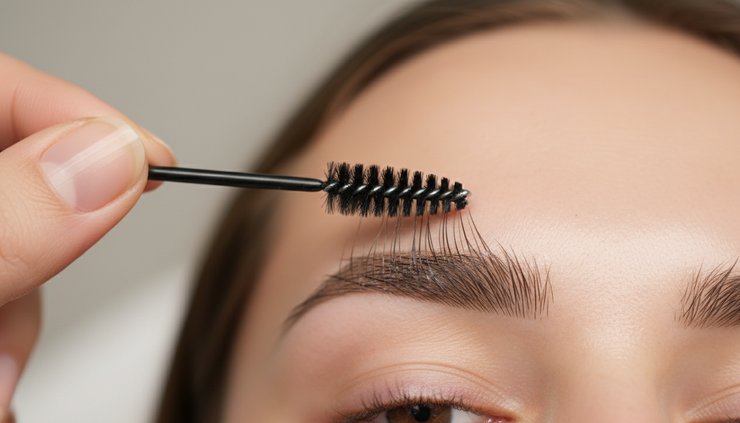
What affects how long the results last
Brow Lamination Guide: a brow lamination service can be done well and still fade faster on one person than another. The treatment sits at the intersection of hair texture, skin type, aftercare, and lifestyle.
Brow hair texture and growth pattern
Coarse brow hairs often hold a laminated shape well, but they may need careful processing to avoid looking rigid. Fine brow hairs can look beautifully fluffy after lamination, yet they may also be more prone to dryness if overprocessed.
Growth direction matters too. Brows that naturally grow downward, sideways, or in a cowlick pattern may show a more dramatic before-and-after result. They may also start to revert sooner because the natural growth pattern is strong.
Very sparse brows can still benefit from lamination, but expectations should be realistic. The treatment can spread and lift existing hairs to cover gaps, but it cannot create density where there is no hair.
Skin type and oil production
Oily skin can shorten the life of brow lamination. Natural oils, heavy creams, and frequent cleansing can soften the set faster. People with very oily skin may still love the result, but they may need a little more daily grooming to maintain the shape.
Dry skin can also affect the look, especially if the brow hair becomes brittle. In that case, conditioning after the initial no-water period becomes more important.
Sensitive or reactive skin needs extra care. Lamination products sit close to the eye area, so irritation is possible. A patch test is a smart step, especially for anyone with a history of reactions to hair dye, lash lifts, adhesives, or chemical treatments.
Aftercare in the first 24 to 48 hours
The first day matters most. Water, steam, sweat, and rubbing can interfere with the setting process. That includes hot showers, saunas, intense workouts, swimming, and sleeping face-down.
Brows are also more vulnerable right after lamination. Pulling, picking, or brushing too aggressively can stress the hair.
Products used around the brows
Some skin care ingredients can make laminated brows fade faster or feel dry. These include strong exfoliating acids, retinoids, benzoyl peroxide, and alcohol-heavy products. They are not always forbidden, but it helps to keep them away from the brow hairs when possible.
Heavy facial oils and cleansing balms can also soften the hold. If they are part of the routine, apply them carefully and avoid coating the brows.
The skill of the brow artist
Processing time matters. Too little time may lead to weak results. Too much time may leave hair dry, frizzy, or bent in an unnatural way.
A trained brow artist should assess hair thickness, density, skin condition, and previous treatments before applying product. They should also explain aftercare in clear terms, not just send someone home with perfect brows and no instructions.
Who brow lamination is best suited for
Brow lamination works best for people who already have brow hair but want it to appear smoother, fuller, or more controlled. It is especially helpful when the issue is direction rather than lack of hair.
Brow type or concern | How lamination may help |
Downward-growing brows | Lifts hairs upward for a more open, groomed look |
Uneven brows | Helps hairs sit in a more balanced shape |
Coarse or stubborn brows | Softens the direction and makes styling easier |
Fine but visible brows | Creates a fluffier look by spreading the hairs |
Gaps in the brow | Can help nearby hairs cover small sparse areas |
Curly or unruly brow hairs | Smooths and organizes the pattern |
Brow lamination can be a good choice for anyone who likes a polished brow but does not want the commitment of cosmetic tattooing. It also works well for people who use brow gel every day and want a longer-lasting version of that brushed-up effect.
It may not be the best option for brows that are extremely thin, over-plucked, or actively shedding. In those cases, tinting, growth-supportive care, or a different shaping plan may be more useful before trying lamination.

When to be cautious or skip the treatment
Brow lamination is a cosmetic treatment, but it still uses chemical products near sensitive skin and eyes. This information is educational and should not replace guidance from a licensed professional or medical provider.
Avoid or delay brow lamination if the skin around the brows is irritated, sunburned, broken, or inflamed. It is also wise to wait if there are active rashes, open cuts, fresh waxing irritation, or a flare-up of a skin condition in the brow area.
People with eczema, psoriasis, rosacea, or very sensitive skin should speak with a professional before booking. The treatment may still be possible for some, but timing and patch testing matter.
Brow lamination is also not ideal immediately after certain services. Give the skin and hair time to recover after:
Brow bleaching
Strong chemical peels
Laser treatments near the brows
Recent brow tint reactions
Fresh microblading or cosmetic tattooing
Aggressive exfoliation or waxing
Those using prescription skin treatments near the brow area should ask their provider or a qualified brow artist about timing. Some products can make the skin more reactive.
A good rule is simple: if the skin barrier is not calm, do not laminate yet. Healthy skin and flexible brow hair create better results.
Aftercare tips to maintain the look
Aftercare does not need to be complicated. The goal is to protect the set at first, then keep the hair soft, conditioned, and gently trained.
Keep brows dry at first
For the first 24 hours, avoid getting the brows wet. Some artists recommend 48 hours, especially for coarse or resistant hair.
During this window, skip:
Steam rooms and saunas
Swimming
Hot yoga or intense workouts
Long, steamy showers
Facial oils or heavy creams on the brows
Makeup directly on the brow hairs
If the brows accidentally get damp, blot gently. Do not rub.
Brush them into place daily
After the initial setting period, use a clean spoolie to brush the brows each morning. Follow the direction set during the appointment. Gentle brushing helps keep the shape neat as new growth appears.
Avoid forcing the hairs straight up if the chosen look was softer and angled. Overbrushing can make the brows look stiff or separated.
Condition the brow hair
Lamination can leave brow hairs feeling dry if they are not cared for. Once the first 24 to 48 hours pass, apply a brow conditioner, nourishing serum, or a small amount of approved oil if recommended by the brow artist.
The goal is not to soak the brows. A light layer is enough.
Good conditioning can help prevent:
Frizz
Brittleness
Snapped hairs
A wiry texture
Dullness
Be careful with active skin care
Keep strong skin care away from the brow hairs when possible. Retinoids, exfoliating acids, and acne treatments can migrate, especially at night. Apply them around the brow area rather than through it.
When cleansing, use light pressure. A soft cloth or fingertips work better than scrubbing.
Sleep with less friction
Pressed brows can bend or kink, especially in the first few nights. Sleeping on the back helps, but not everyone sleeps that way. A smooth pillowcase can reduce friction if side sleeping is the norm.
In the morning, lightly dampen a spoolie after the first 24 to 48 hours if needed, then brush the hairs back into place. Do not saturate them.
Do not trim or tweeze too much at home
Laminated brows can look longer because the hairs sit upward. That does not always mean they need heavy trimming. Over-trimming can create gaps once the lamination fades.
If a few hairs fall outside the shape, tweeze sparingly. For bigger changes, wait for a professional shaping appointment.
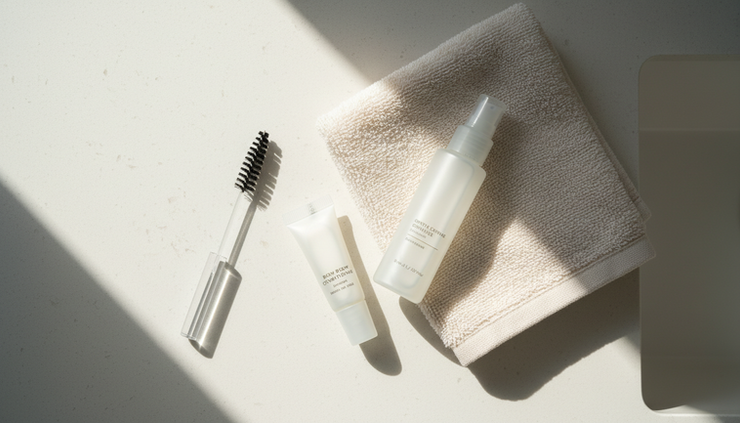
What to expect as brow lamination wears off
The fade-out should look gradual. The brows may need more brushing in the morning, and a clear brow gel may become useful again around week four or five.
Some hairs may point in different directions as new growth comes in. This is normal. A light trim or shaping appointment can help bridge the gap before the next lamination.
If the brows feel brittle, frizzy, or overly dry, take a longer break before rebooking. Condition the hair and let the brows recover. More lamination will not fix overprocessed hair. It can make it worse.
A healthy brow cycle matters more than keeping a perfect laminated look every week. The best long-term results come from spacing appointments well and treating brow hair like the delicate hair it is.
The takeaway on brow lamination
Brow lamination is best for shaping, lifting, and controlling existing brow hair. It usually lasts 4 to 6 weeks, with longevity shaped by hair texture, skin type, product use, aftercare, and the quality of the service.
It suits many brow types, especially brows that grow downward, look uneven, or need help staying brushed into place. It may not be right for irritated skin, freshly treated skin, or brows that are too fragile for chemical processing.
For the best result, start with a skilled brow artist, follow the first-day rules, brush gently, and condition the hairs once it is safe to do so. Well-cared-for laminated brows should look polished, soft, and natural as they settle, not crunchy or forced.


Comments