
Head Spa Benefits What to Expect and How It Boosts Hair Health and Relaxation

A head spa sounds indulgent, but the best sessions do more than help someone feel pampered for an hour. They focus on an often ignored area of self-care: the scalp.
The scalp is skin. It collects oil, sweat, product buildup, dead skin cells, and environmental residue. It also holds a surprising amount of tension, especially around the temples, hairline, jaw, and neck. A head spa treatment brings together scalp care, hair care, massage, and relaxation in one slow, sensory experience.
For anyone curious about wellness treatments that feel good and support better hair habits, a head spa is worth understanding. The experience can vary by salon or spa, but most sessions follow a similar rhythm: consultation, scalp analysis, cleansing, massage, treatment products, steam, rinse, and finishing care.
This guide explains what happens during a head spa session, the most common techniques and products used, the physical and mental benefits, and how to choose a reputable provider.

Head Spa Benefits What to Expect and How It Boosts Hair Health: A head spa treats the scalp as part of whole-body self-care
A head spa is a specialized scalp and hair treatment that often blends techniques from salon care, massage therapy, and spa rituals. It tends to be slower and more intentional than a regular shampoo at a salon.
The focus is not only clean hair. It is also comfort, circulation, scalp balance, and relaxation. Many treatments include tools and products chosen for the scalp’s condition, such as dryness, oiliness, flaking, sensitivity, product buildup, or dull-looking hair.
A typical head spa can support:
Scalp cleansing
The treatment helps remove oil, sweat, styling residue, and dead skin buildup.
Relaxation
Gentle massage and warm water can calm the nervous system and ease everyday tension.
Hair manageability
Clean roots and conditioned lengths can make hair feel lighter, softer, and easier to style.
A healthier scalp environment
When the scalp is clean and comfortable, hair care products may work more effectively.
Head Spa Benefits What to Expect and How It Boosts Hair Health. A head spa is not a medical treatment for hair loss, scalp infections, psoriasis, eczema, or severe dandruff. If there is pain, open skin, sudden shedding, or persistent irritation, a dermatologist or medical professional is the right first stop. For general wellness and maintenance, though, a head spa can be a soothing reset.
What happens during a head spa session
Most head spa appointments begin with some form of consultation. It may be a quick conversation or a more detailed intake, depending on the spa. The provider may ask about:
Hair type and texture
Scalp concerns
Recent chemical treatments or coloring
Sensitivities or allergies
Hair washing habits
Styling products used regularly
Stress, sleep, and lifestyle factors that may affect scalp comfort
Some spas use a magnifying camera to examine the scalp. This can show oil buildup, flakes, clogged-looking follicles, dryness, or redness. It can also help the provider choose the right products. If a scalp camera is used, it should feel educational, not like a scare tactic.
After the consultation, the session usually moves into a few core stages.
The scalp is cleansed more carefully than in a regular wash
The provider may start by brushing or gently loosening the hair to remove tangles and surface debris. Then they apply a scalp cleanser, pre-shampoo oil, exfoliating gel, or clarifying product.
The goal is to lift buildup without stripping the scalp. A reputable provider will match the product to the person’s needs. For example, an oily scalp may get a balancing cleanser, while a dry or sensitive scalp may get a gentler, hydrating formula.
The cleansing step can include the fingertips, silicone scalp brushes, or soft massage tools. The pressure should feel pleasant, never sharp or scratchy.
Massage techniques help release tension
Massage is the part many people remember most. A head spa massage often covers the scalp, temples, forehead, neck, shoulders, and sometimes the upper back.
Common techniques include:
Circular fingertip movements across the scalp
Gentle kneading at the temples and base of the skull
Slow pressure along the hairline
Light tapping or rhythmic movements to wake up the scalp
Neck and shoulder massage to reduce connected tension
Hair sectioning to reach the scalp evenly
Good scalp massage is controlled and attentive. It should not pull the hair harshly or scrape the scalp. If the pressure feels too firm, it is fine to ask for it to be lighter.
Steam and warm water soften buildup and boost comfort
Many head spas use steam or warm towels during the treatment. Steam can soften residue, help some conditioning products spread more evenly, and create a cocoon-like feeling.
Warmth is also part of the relaxation effect. A warm towel around the neck, a gentle rinse, or a steamed scalp wrap can make the session feel deeply calming.
People with sensitive skin should speak up if steam feels too hot or uncomfortable. Warmth should soothe, not irritate.
Treatment products target the scalp and hair
After cleansing and massage, the provider may apply a mask, serum, ampoule, conditioner, or leave-in treatment. These products vary, but they often fall into a few categories:
Product type | What it is used for |
Clarifying scalp cleanser | Helps remove oil and product residue |
Scalp exfoliant | Loosens dead skin cells and buildup |
Hydrating scalp serum | Adds comfort to dry or tight-feeling skin |
Balancing treatment | Helps oily scalps feel fresher |
Hair mask | Conditions the lengths and ends |
Lightweight leave-in | Adds softness, slip, or heat protection before styling |
Ingredients might include aloe, tea tree, rosemary, peppermint, clay, charcoal, hyaluronic acid, ceramides, botanical oils, or protein-based conditioners. Not every ingredient suits every scalp. For example, menthol or peppermint may feel refreshing for some people but irritating for others.
A good provider will ask about sensitivities before using strong fragrances, essential oils, exfoliating acids, or active scalp treatments.

The physical benefits of a head spa
The most immediate benefit is simple: the scalp and hair feel cleaner. But the effects often go beyond that.
It can help remove buildup that weighs hair down
Styling creams, dry shampoo, hair spray, oils, sweat, and pollution can collect on the scalp over time. Regular shampoo may not remove everything, especially if products are layered often.
A thorough head spa cleansing can help the roots feel lighter. Hair may look more lifted at the scalp because there is less residue weighing it down. This does not change hair density, but it can improve the way hair sits and moves.
For people who use dry shampoo between washes, this can be especially noticeable.
It may support better circulation in the scalp
Massage increases blood flow to the area being worked on. During a head spa, steady scalp massage can create a warm, relaxed feeling that many people describe as relieving.
Improved circulation does not guarantee hair growth, and no spa treatment should promise that. Still, scalp massage can support a healthier-feeling scalp environment and may help reduce tightness around the head, neck, and temples.
Think of it as maintenance, not a miracle cure.
It can improve scalp comfort
A tight, itchy, oily, or flaky-feeling scalp can make hair care frustrating. A head spa may help by removing irritants, rebalancing moisture, and giving the scalp a fresh start.
People often notice:
Less greasy feeling at the roots
Reduced tightness after cleansing
A cleaner sensation around the hairline
Softer lengths after conditioning
Less dullness from product buildup
If flaking is caused by a medical condition, a head spa may not solve it. In that case, professional medical advice matters. But for mild dryness or buildup-related discomfort, a skilled treatment can help the scalp feel calmer.
It can make hair look shinier and easier to manage
A clean scalp and conditioned strands can improve the hair’s appearance. When residue is lifted and the hair cuticle is smoothed with conditioner or a mask, hair often reflects light better.
This benefit is cosmetic, but it is still meaningful. Soft, manageable hair can make daily styling easier and reduce the urge to overuse heat or heavy styling products.
The mental benefits are a major reason people book head spas
The wellness appeal of head spas is not only about hair. The treatment is slow, quiet, warm, and tactile. Those qualities can help the body shift out of a tense, alert state.
Scalp massage encourages stress relief
Many people carry stress in the scalp, jaw, neck, and shoulders. Long hours looking down at a phone or computer can add to this tension. A head spa massage works directly on those areas, often with slow pressure and repeated movements.
This can create a sense of release. It may also help quiet racing thoughts because the treatment gives the mind something steady and physical to focus on.
A good head spa session feels like care for the nervous system as much as care for the scalp.
The ritual itself creates a pause
Self-care does not always need to be elaborate, but it does need space. A head spa gives that space. The reclining chair, warm water, soft sounds, scalp massage, and scented products create a deliberate break from the day.
That matters because many wellness habits fail when they feel like another task. A head spa asks very little from the person receiving it. The main job is to rest.
It can support better body awareness
During a head spa, people often notice how much tension they were holding. The jaw may unclench. The shoulders may drop. The breath may slow.
This awareness can carry into daily life. After the appointment, it may become easier to notice when stress is building and respond with small resets, such as stretching the neck, massaging the temples, or taking a few slower breaths.

How to find a reputable head spa
A head spa should feel relaxing, but it also involves skin, hair, cleansing products, tools, and close contact. Choosing the right place matters.
Start by looking for clear service descriptions. A reputable spa or salon should explain what the treatment includes, how long it takes, and whether it is focused on relaxation, scalp cleansing, hair conditioning, or a specific concern.
Check training and licensing
Rules vary by state, but scalp and hair services are often performed by licensed cosmetologists, estheticians, massage therapists, or trained spa professionals, depending on the treatment. Look for providers who are transparent about their background and scope.
If a service includes medical claims, be cautious. Phrases like “cures hair loss” or “treats scalp disease” are red flags unless the provider is a licensed medical professional offering medical care.
Read reviews for details, not just stars
Glowing reviews are nice, but specific reviews are more useful. Look for comments about cleanliness, pressure level, communication, product quality, and whether the provider listened to concerns.
Helpful signs include mentions of:
A calm environment
Clean tools and bowls
Gentle detangling
Clear explanations
Respect for sensitivities
No pressure to buy products
Consistent results
A few negative reviews do not always mean poor service. Pay attention to patterns. Repeated complaints about rushed appointments, rough handling, hidden fees, or irritation after treatment are worth taking seriously.
Ask about products before booking
If the scalp is sensitive, fragrance-reactive, or prone to irritation, call ahead. Ask what types of products they use and whether fragrance-free or gentle options are available.
Useful questions include:
Do you offer options for sensitive scalps?
Do you use essential oils or menthol-based products?
Can I skip exfoliation if my scalp is irritated?
Are tools cleaned between clients?
Is blow-drying included?
How long is the hands-on massage portion?
A good provider will answer clearly and kindly. If the response feels dismissive, choose another spa.
Look for cleanliness and comfort
The treatment area should look and feel clean. Bowls, brushes, combs, towels, and sink areas should be sanitary. The chair should support the neck comfortably. Water temperature should be checked before rinsing.
Comfort also includes communication. The provider should ask about pressure, temperature, allergies, and any scalp pain before getting started.
What to expect before, during, and after the treatment
A head spa is easy to enjoy when expectations are clear.
Before the appointment
Arrive with hair in its normal state if possible. Heavy styling products are okay, especially if buildup is one reason for the visit, but avoid applying fresh oil right before the appointment unless the spa asks for it.
Do not book a head spa on broken, sunburned, or highly irritated skin. If the scalp hurts, bleeds, or has open sores, wait and seek care if needed.
If hair is textured, curly, coily, color-treated, extension-wearing, or chemically processed, mention that before the treatment. The provider may need to adjust detangling, product choice, water temperature, or finishing steps.
During the session
Expect a slow pace. The provider may part the hair in sections, apply products directly to the scalp, massage for several minutes, rinse thoroughly, and condition the hair.
Speak up if anything feels wrong. That includes:
Water that is too hot
Pressure that hurts
Tingling that turns into burning
Hair pulling
Fragrance that feels overwhelming
Neck discomfort at the sink
A skilled provider wants feedback. Comfort is part of the service, not an inconvenience.
After the appointment
Hair often feels very clean and soft afterward. The scalp may feel light or refreshed. If the service includes a blow-dry, the hair may look polished when leaving. If not, it may be towel-dried or lightly styled.
Avoid piling on heavy products right away. Give the scalp some time to enjoy the reset. If the provider recommends a home routine, keep it simple. A gentle shampoo, a conditioner suited to the hair type, and occasional clarifying may be enough for maintenance.
For many people, a head spa works well as an occasional reset rather than a weekly necessity. The right frequency depends on scalp condition, styling habits, budget, and personal preference.
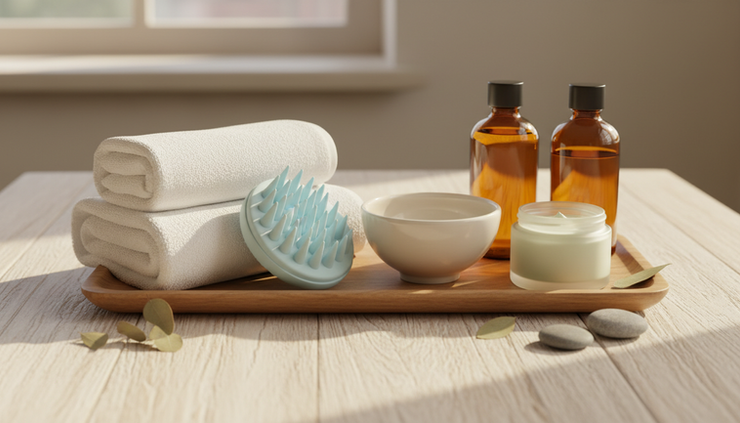
Head spa care is worth trying when it fits your needs
A head spa blends scalp cleansing, massage, hair conditioning, and rest in a way that feels both practical and restorative. The benefits can be physical, like cleaner roots, improved scalp comfort, better circulation, and softer hair. They can also be mental, including stress relief, a calmer mood, and a welcome pause from constant stimulation.
The best experience starts with the right provider. Look for clean practices, clear communication, realistic claims, and products that match the scalp’s needs. Ask questions before booking, share sensitivities, and give feedback during the treatment.
A head spa will not replace medical care for scalp conditions or guarantee hair growth. But as part of a thoughtful self-care routine, it can help the scalp feel refreshed, the hair look healthier, and the mind settle for a while. For a treatment centered on the head, its effects can feel surprisingly whole body.


Comments